

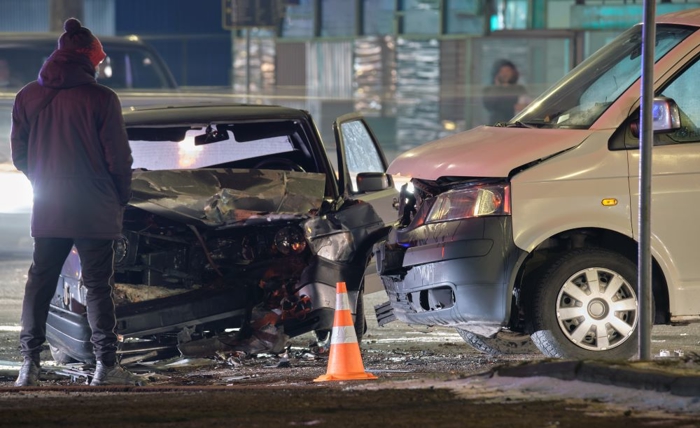
Road collisions can happen in a blink, but the impact—both physical and legal—can last a long time. Whether you’re a driver, cyclist, passenger, or pedestrian, it’s important to understand the types of accidents that occur on the road and how personal injury claims work afterward. Knowing what to expect can help you make informed decisions if you or someone you know is ever involved in one. Below are some of the most common types of road collisions, along with insights into how the legal process typically unfolds in these situations.
Bicycle Accidents
Bicycle accidents often occur in urban areas where cyclists share the road with cars, buses, and pedestrians. Common causes include distracted driving, failure to yield, and dooring—when a car door is opened into a cyclist’s path. These accidents can lead to serious injuries, even with protective gear. Broken bones, head injuries, and spinal damage are unfortunately common outcomes.
Legally, cyclists have the same rights as motor vehicle drivers, but proving fault can sometimes be a challenge. Evidence like traffic camera footage, eyewitness statements, and medical records play a key role in personal injury claims. If a driver is found negligent, a cyclist may be entitled to compensation for medical bills, lost wages, and pain and suffering. However, the process can take time and often requires detailed documentation.
Working with legal professionals familiar with local laws can be helpful in navigating these complexities. Firms such as Kash Legal | Personal Injury Attorneys are often involved in these types of cases, especially when a cyclist’s injuries are severe and liability is disputed. Legal support can help ensure that victims understand their rights and the compensation they may be entitled to. Timely action and proper documentation are also crucial for building a strong personal injury claim.
Bus Accidents
Bus accidents present unique legal challenges due to the number of people involved and the entities that may be held responsible. Whether it’s a public transit vehicle or a private charter bus, passengers and other road users are at risk. Causes range from driver error to mechanical failures or even poor road conditions. Injuries in bus accidents can vary greatly, depending on the speed, location, and type of collision.
From a legal standpoint, claims involving buses may require dealing with government agencies or transportation companies. This often means tighter deadlines and additional legal hurdles. Passengers injured in bus crashes can file claims for their injuries, but they need to act quickly to preserve their rights. Documentation such as ticket stubs, police reports, and witness information can support a claim.
Legal teams typically evaluate these cases to determine liability and pursue fair compensation for victims. It’s important to understand that the legal process may differ slightly from a typical personal injury claim due to the involvement of larger entities.
Car Accidents
Car accidents are among the most common types of road collisions, and they can happen for a variety of reasons—speeding, texting while driving, drunk driving, or simply bad weather. Injuries can range from minor cuts and bruises to more serious conditions like whiplash, concussions, and internal injuries. Even a low-speed crash can result in costly medical treatment and emotional trauma.
The legal process following a car accident usually starts with a claim to the at-fault driver’s insurance provider. But when damages are significant or the fault is disputed, it might escalate into a personal injury lawsuit. This is where the guidance of an auto accident attorney can become important, especially when dealing with insurance adjusters or collecting evidence like crash reports and witness statements. Some law firms with experience in personal injury cases, like those involving car accidents, are well-versed in the complexities of claims and victim rights. While every case is unique, the goal is typically to secure compensation for medical bills, lost wages, and other related expenses.
Motorcycle Accidents
Motorcycle accidents are often severe due to the lack of protection riders have compared to car occupants. Even with a helmet and protective gear, motorcyclists are vulnerable to life-altering injuries such as road rash, broken bones, or traumatic brain injuries. These types of collisions can be caused by blind spots, speeding, unsafe lane changes, or distracted driving.
Because of the serious injuries involved, personal injury claims following a motorcycle accident often require more comprehensive medical documentation and expert opinions. Insurance companies may try to argue that the rider was reckless, which can complicate the claims process.
It’s also essential to gather all relevant evidence, including photos of the crash site, medical records, and any available surveillance footage. Legal professionals typically work to establish fault, challenge any biased narratives, and help motorcyclists get the support they need to recover. Although the process can be stressful, knowing your rights and being prepared with the right resources can make a big difference.
Truck Accidents
Truck accidents tend to be more complex than other vehicle collisions due to the size of the vehicles involved and the regulations governing commercial trucking. These accidents can cause catastrophic damage, especially when passenger cars are involved. Common causes include driver fatigue, overloaded cargo, mechanical issues, or inadequate driver training. Because trucks take longer to stop, even a moment of distraction can have devastating consequences.
Legally, truck accident cases may involve multiple liable parties: the driver, the trucking company, the vehicle manufacturer, or even a third-party maintenance provider. Victims may pursue claims not only for physical injuries but also for long-term effects like disability or reduced earning capacity.
One of the first steps is preserving crucial evidence, such as the truck’s black box data, driving logs, and maintenance records. It’s also common for federal and state transportation laws to come into play, which adds a layer of complexity. A thorough investigation helps determine the root cause and identify who should be held accountable. Navigating these cases often requires legal expertise, especially when large corporations and insurers are involved.
Final Thoughts
Understanding the different types of road collisions is just one part of the picture. Equally important is knowing what steps to take after an accident and how the legal process unfolds. Whether you’re on a bike, bus, car, or motorcycle, being informed can help you protect your health, your rights, and your future.